If you’ve been searching “What is PPF?” or wondering whether paint protection film is worth it in New Hampshire, this guide explains everything you need to know before protecting your vehicle.
From harsh winter road salt in Hooksett to highway gravel in Manchester, NH drivers face some of the toughest paint-damaging conditions in New England.
Let’s break it down.
What Is Paint Protection Film (PPF)?
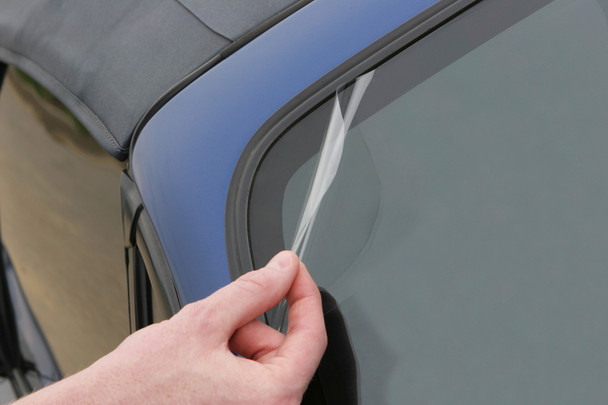
Paint Protection Film (PPF) is a transparent, urethane-based protective film applied to a vehicle’s painted surfaces to protect against rock chips, scratches, road debris, salt, and UV damage. Modern PPF is self-healing, meaning minor swirl marks disappear with heat exposure.
That’s the short answer.
Now let’s go deeper.
How Does Paint Protection Film Work?
PPF acts as a sacrificial barrier between your vehicle’s paint and external damage.
It works by:
- Absorbing rock impacts
- Preventing clear coat scratches
- Blocking road salt from contacting paint
- Resisting chemical staining
- Self-healing light surface swirls
Unlike wax or sealants, PPF is a physical protective layer that adds measurable thickness (typically 6–10 mils).
Why PPF Is Especially Important in New Hampshire
Driving in Hooksett, Manchester, and surrounding NH towns exposes your vehicle to:
- Winter salt and sand
- Gravel from highway construction
- Snow plow debris
- Freeze/thaw expansion
- Acidic road grime
These conditions accelerate paint damage and corrosion.
For New Hampshire drivers, PPF isn’t a luxury, it’s preventative protection.
Where Is PPF Installed on a Vehicle?
PPF can be installed on nearly any painted surface, but most drivers choose high-impact zones.
Common Protection Areas
Front-End Package
- Front bumper
- Hood (partial or full)
- Fenders
- Side mirrors
High-Impact Zones
- Rocker panels
- Rear wheel arches
Full Vehicle Protection
Complete wrap for maximum preservation and resale value.
Most NH drivers choose front-end protection due to highway exposure.
How Is Paint Protection Film Installed?
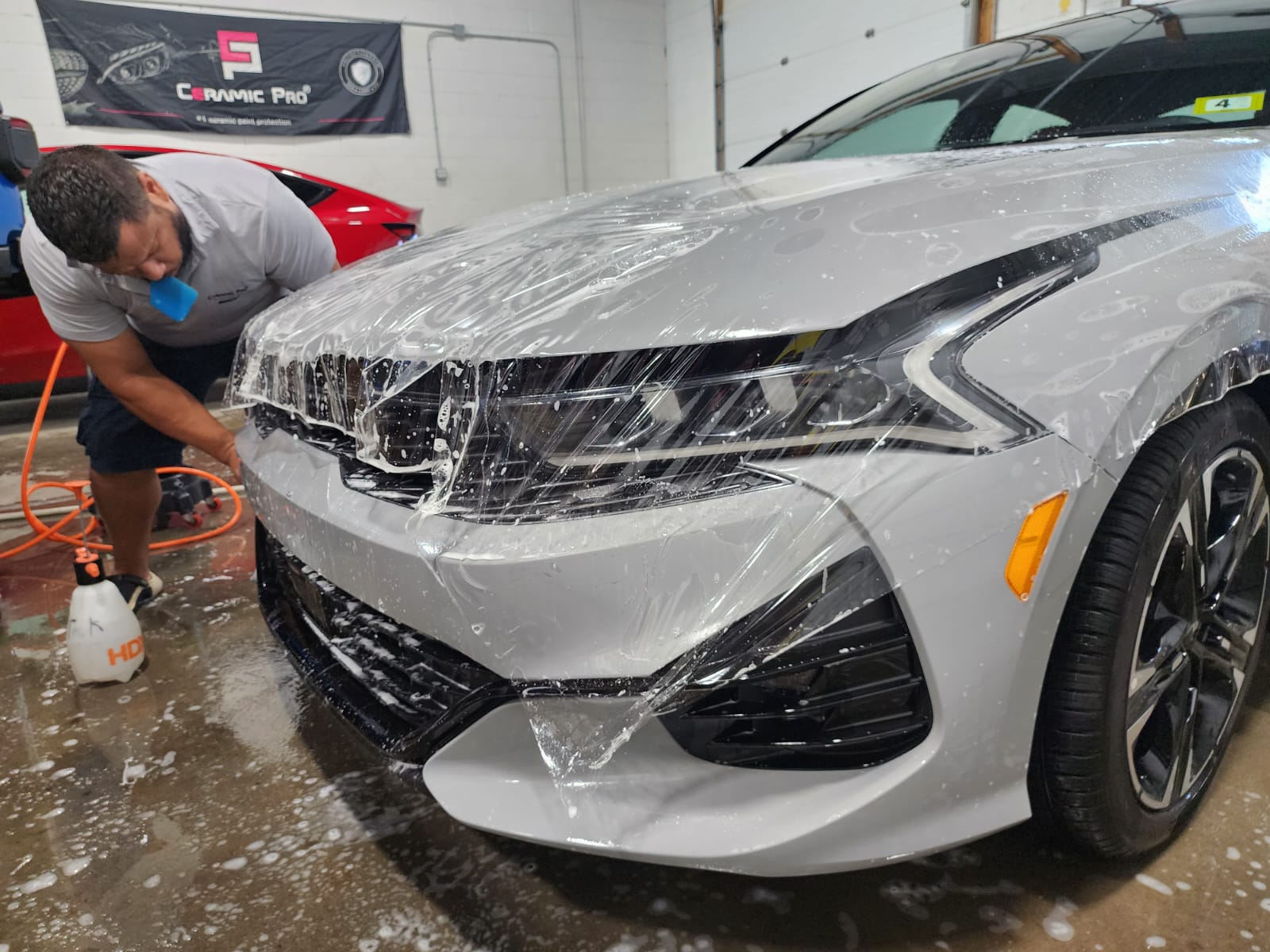
Paint Protection Film is installed by cleaning and decontaminating the vehicle’s surface, applying a slip solution, positioning the film precisely, and squeegeeing out moisture and air. Edges are wrapped when possible and heat-set to ensure proper adhesion.
Step-by-Step Installation Process
- Deep wash and iron decontamination
- Clay bar treatment
- Paint correction (if needed)
- Alcohol surface prep
- Film alignment with slip solution
- Squeegee and tack method application
- Edge wrapping
- Heat sealing and final inspection
Installation quality matters more than film brand alone.
How Long Does PPF Last?
High-quality Paint Protection Film typically lasts between 7 and 10 years depending on:
- Climate exposure
- Driving habits
- Installation quality
- Maintenance routine
In New Hampshire, vehicles exposed to heavy winter driving benefit significantly from professional-grade film.
Does PPF Damage Paint?
No.
When professionally installed and removed, PPF does not damage factory paint. In fact, it preserves the original finish and protects resale value.
Improper installation or cheap film is where problems occur, which is why professional installation is critical.
Does PPF Turn Yellow?
Older films from 15+ years ago were prone to yellowing. Modern premium PPF products are UV-resistant and engineered to resist discoloration over time.
High-quality films remain optically clear for years.
PPF vs Ceramic Coating: What’s the Difference?
This is one of the most searched questions in NH.
Paint Protection Film protects against physical impact like rock chips and scratches.
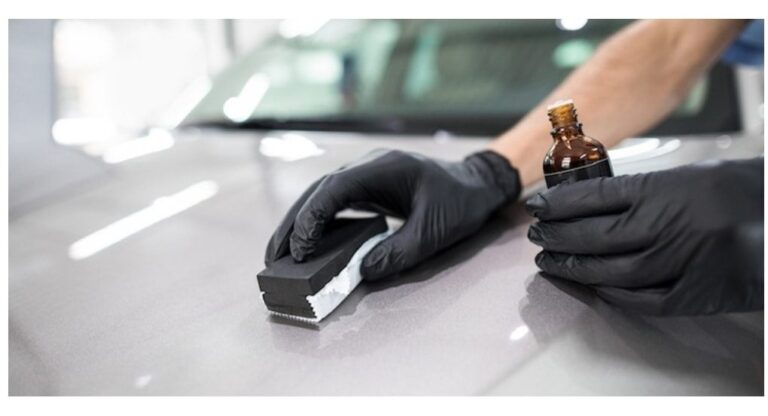
Ceramic coating protects against chemical damage, staining, and makes the vehicle easier to clean.
Comparison Breakdown
| Feature | PPF | Ceramic Coating |
|---|---|---|
| Rock Chip Protection | Yes | No |
| Scratch Resistance | Yes | Minor |
| Chemical Resistance | Moderate | High |
| Gloss Enhancement | Moderate | High |
| Best For | Physical Impact | Surface Protection |
Many New Hampshire drivers combine both for complete protection.
Is PPF Worth It?
If you:
- Drive highways regularly
- Lease high-value vehicles
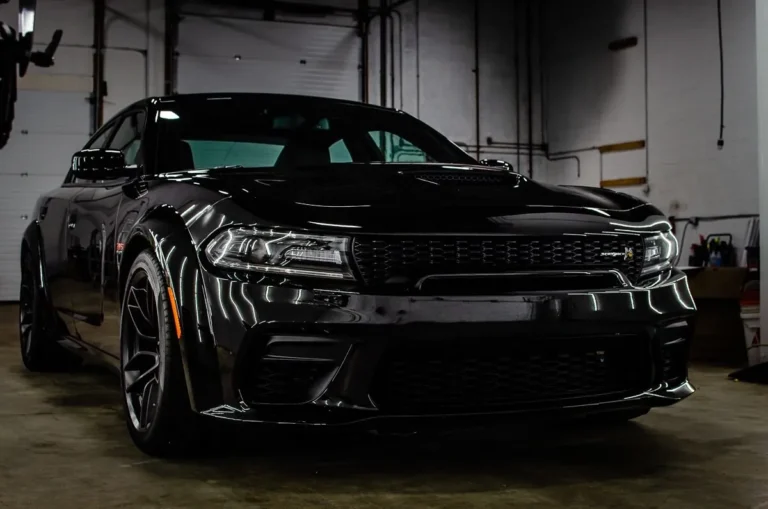
- Own performance or luxury cars
- Plan to resell in 3–5 years
- Want to avoid repaint costs
Then yes, PPF is worth it.
Repainting a bumper in New Hampshire can cost thousands. PPF prevents that expense.
How Much Does PPF Cost in New Hampshire?
Pricing depends on:
- Vehicle size
- Coverage area
- Film quality
- Installation complexity
Front-end protection costs significantly less than full vehicle coverage.
For accurate pricing, it’s best to get a personalized quote based on your vehicle.
Who Should Get Paint Protection Film?
PPF is ideal for:
- Luxury vehicle owners
- Tesla owners
- Performance car enthusiasts
- Daily highway commuters
- New vehicle buyers
- Leased vehicles
In Hooksett and Manchester, daily highway driving alone makes PPF a smart investment.
How to Maintain PPF
Maintaining PPF is simple:
- Hand wash regularly
- Avoid harsh chemicals
- Use pH-neutral soaps
- Avoid automatic brush washes
- Apply ceramic coating over PPF for easier maintenance
Proper care extends longevity. See our step-by-step PPF washing and maintenance guide.
Choosing a PPF Installer in Hooksett or Manchester NH
Not all PPF installations are equal.
When choosing an installer, look for:
- Experience with precision cutting
- Clean installation environment
- Edge wrapping techniques
- Portfolio of real installs
- Local reputation and reviews
Installation skill dramatically impacts longevity and appearance.
Final Thoughts: Is PPF Right for You?
New Hampshire roads are not easy on paint.
Between winter salt, highway gravel, and rising vehicle values, Paint Protection Film offers one of the most effective ways to preserve your investment long-term.
If you’re considering protection, understanding what PPF is , and how it works – is the first step toward making an informed decision.