
If you drive in New Hampshire, winter isn’t just cold — it’s corrosive. Every time the plows go out, our roads get coated in salt and brine to melt the ice. That same salt clings to your paint, your wheels, and the underbody of your vehicle, and left unchecked it eats away at metal and finish. Here’s how to protect your car from road salt so it survives a New England winter looking its best.
Why Road Salt Is So Hard on Your Vehicle
Road salt (and the liquid brine many towns now use) is effective at melting ice because it draws in moisture. Unfortunately, that same property accelerates rust and corrosion when the salty slush works into seams, chips, and the undercarriage. Over a few winters, unprotected vehicles develop rust on brake lines, fenders, rocker panels, and the frame — problems that are expensive to fix and hurt resale value.
Salt also dulls your paint. It bonds to the clear coat, holds moisture against the surface, and combined with sand and grit leads to etching, staining, and premature fading.
How to Protect Your Car from Road Salt
1. Wash Often — Including the Undercarriage
The single most important habit is washing salt off regularly through the winter, roughly every one to two weeks and after any big storm. Don’t skip the undercarriage, where salt does the most structural damage. A thorough hand wash that flushes the wheel wells and underbody removes the salt before it can settle in.
2. Apply a Ceramic Coating Before Winter
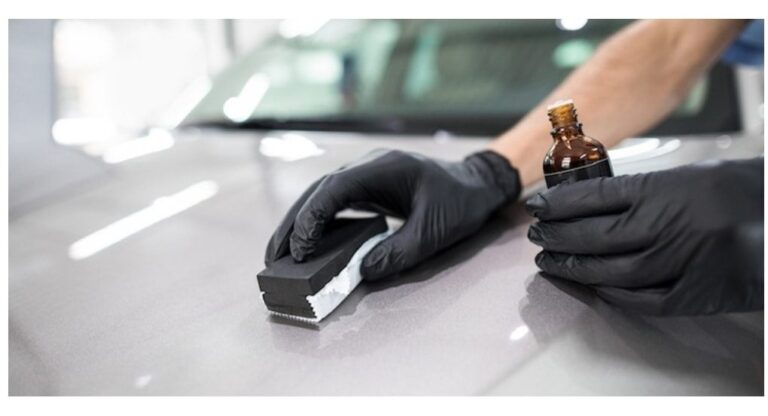
A professional ceramic coating is one of the best defenses against salt. It creates a hard, hydrophobic barrier over your paint so salt, brine, and grime can’t bond directly to the clear coat — and it makes winter washes far easier because contaminants rinse off instead of sticking. Ceramic coating won’t rust and holds up to the chemicals used on our roads.
3. Add Paint Protection Film to High-Impact Areas
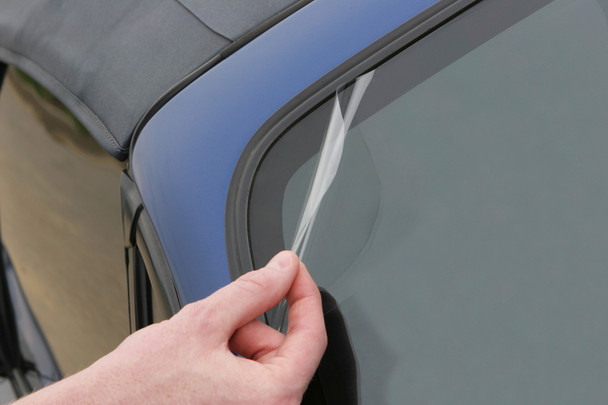
Winter roads throw sand, salt chunks, and debris at your front end. Paint protection film (PPF) is a clear, self-healing layer that shields the hood, bumper, fenders, and rocker panels from chips and abrasion — exactly the spots that take the worst beating in winter.
4. Keep Up With Basic Maintenance
Fix paint chips before winter so salt can’t reach bare metal, keep your wheels clean to prevent brake-dust and salt buildup, and consider treating door jambs and seals. A pre-season professional detail is a smart way to start winter with a clean, protected surface.
The Best Long-Term Strategy: Layered Protection
For drivers who want to stop worrying about salt entirely, combining PPF on impact zones with a full-body ceramic coating gives you the strongest defense. That’s exactly what our Ultimate Armor package delivers — full front paint protection film plus a lifetime-warranty ceramic coating over the entire exterior, wheels, and glass. It’s built for the kind of winters we get in New Hampshire.
Protect Your Car This Winter with IMS Detailing
At IMS Detailing in Hooksett, NH, we help drivers across Manchester, Bedford, Concord, and Derry get their vehicles winter-ready with professional detailing, ceramic coating, and paint protection film. Beat the first storm — call (603) 518-8070 or request a quote today.
Frequently Asked Questions
How often should I wash my car in winter?
Aim for every one to two weeks, and after every major snowstorm. Regular washing (including the undercarriage) removes salt before it can cause rust and paint damage.
Does ceramic coating protect against road salt?
Yes. A ceramic coating creates a hard, hydrophobic barrier that keeps salt and brine from bonding to your paint and makes winter cleaning much easier. It’s one of the most effective protections available.
Is it too late to protect my car if winter has already started?
No. While it’s ideal to coat or film your vehicle before winter, protection and regular washing help at any point in the season. Contact us and we’ll recommend the best option for where you are.
Can road salt really cause rust?
Absolutely. Salt accelerates corrosion on the undercarriage, brake lines, and body panels. Consistent washing plus paint protection are the best ways to prevent it.