Car window tint is one of the most popular upgrades vehicle owners choose, and for good reason. Beyond giving your car a sleek, refined appearance, high-quality window tint can dramatically improve comfort, protect your interior, and reduce harmful UV exposure.
For drivers in places like Salem, New Hampshire, where summers can bring intense heat and bright sunlight, window tint can make a noticeable difference in how your vehicle feels every day.
In this guide, we’ll cover everything you need to know about car window tint, including benefits, types of tint, legal limits, and how to choose the best option for your vehicle.
What Is Car Window Tint?
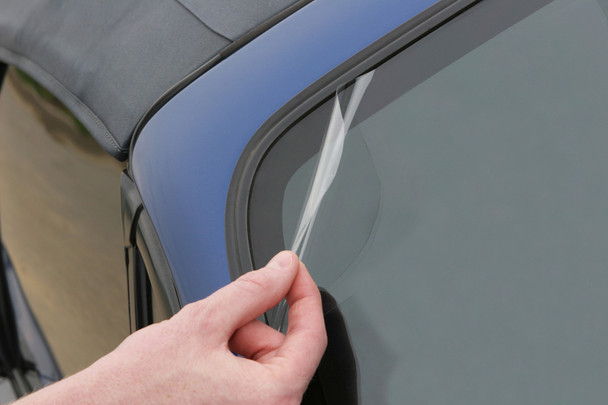
Window tint is a thin film professionally applied to the inside of vehicle glass. Modern films are engineered with advanced materials that block heat, UV rays, and glare.
Most high-quality automotive tint films include multiple layers designed for:
• solar heat rejection
• UV protection
• glare reduction
• privacy
• durability
Premium tint films, especially ceramic window tint, use nano-ceramic technology to reject heat without interfering with electronics, GPS, or cell signals.
Benefits of Car Window Tint
Heat Reduction
One of the biggest reasons drivers install tint is to reduce cabin heat.
High-performance ceramic tint can block up to 80% of solar heat, helping your air conditioning work more efficiently and keeping the interior comfortable even on hot days.
UV Protection
Window tint can block up to 99% of harmful UV rays, which helps protect both passengers and your vehicle’s interior.
Without protection, UV exposure can cause:
• dashboard fading
• leather cracking
• upholstery discoloration
Interior Protection
Over time, sunlight can significantly damage vehicle interiors. Quality tint helps preserve:
• leather seats
• plastics
• trim materials
• infotainment screens
This helps maintain the vehicle’s resale value.
Privacy and Security
Window tint makes it harder for people to see inside your vehicle, protecting valuables and adding an extra layer of security.
Enhanced Appearance
Tint dramatically improves the overall appearance of a vehicle. It adds a sleek, finished look that complements almost any car, truck, or SUV.
Luxury vehicles like those from Porsche, Mercedes‑Benz, and Tesla often look significantly more refined with professionally installed tint.
Types of Window Tint
Not all tint is the same. The type of film used can dramatically affect performance and longevity.
Dyed Window Tint
Dyed tint is the most basic option. It uses a dyed layer to darken windows and reduce glare.
Pros:
• affordable
• improves appearance
Cons:
• limited heat rejection
• can fade over time
Carbon Window Tint
Carbon tint contains carbon particles that help block infrared heat.
Pros:
• better heat rejection
• does not fade like dyed films
Cons:
• more expensive than dyed films
Ceramic Window Tint
Ceramic tint is the highest performing window film available.
It uses nano-ceramic particles that provide superior heat rejection without affecting visibility or electronics.
Pros:
• best heat rejection
• blocks UV rays
• no signal interference
• long lifespan
For drivers looking for maximum comfort and performance, ceramic tint is typically the best option.
Window Tint Laws in New Hampshire
Drivers should always be aware of state regulations before installing tint.
In New Hampshire, tint laws regulate how dark windows can be.
Typical legal limits include:
Front side windows
• must allow 70% light through
Rear side windows
• must allow 35% light through
Rear window
• must allow 35% light through
Medical exemptions may allow darker tint in certain circumstances.
Professional installers help ensure your tint remains compliant with state regulations.
What Tint Percentage Should You Choose?
Window tint is measured by Visible Light Transmission (VLT) — the percentage of light allowed through the glass.
Common options include:
50% Tint
Light shade with minimal darkening.
35% Tint
One of the most popular options for daily drivers.
20% Tint
Provides stronger privacy and a darker look.
5% Tint
Often called “limo tint,” very dark and typically used on rear windows.
Many customers choose 35% or 20% depending on their preference for privacy and style.
How Long Does Window Tint Last?
High-quality window tint can last 10+ years when professionally installed.
Lower quality films often develop issues like:
• bubbling
• peeling
• fading
• purple discoloration
Choosing a reputable shop and premium film ensures long-lasting performance.
Professional Tint vs DIY Kits
While DIY tint kits are available, professional installation provides several advantages.
Professional installers use:
• precision cutting tools
• controlled installation environments
• high-quality film
This ensures a bubble-free finish and perfect fit.
DIY tint installations often result in visible imperfections and shorter lifespan.
How Much Does Window Tint Cost?
Tint pricing depends on several factors:
• vehicle size
• number of windows
• film type
• installation quality
Ceramic tint typically costs more than dyed film but offers significantly better performance and durability.
For most drivers, the comfort and protection benefits make it a worthwhile investment.
Final Thoughts
Car window tint is one of the most practical upgrades you can make to your vehicle. It improves comfort, protects your interior, enhances privacy, and gives your car a refined look.
For drivers around Hooksett, New Hampshire and surrounding areas, professional installation ensures the best results and long-term performance.
If you’re considering professional window tint installation, contact IMS Detailing to learn about premium tint options designed to protect your vehicle and improve your driving experience.