Most paint damage in New Hampshire doesn’t happen in one bad moment. It builds up over a season. Sand trucks spread grit on every hill, plows push gravel to the edge of the road, and the car in front of you on I-93 throws it back at your bumper at highway speed. By April, a lot of drivers find a front end covered in small chips they never noticed happening.
Paint protection film (PPF) is the most direct way to stop that. Here’s what winter actually does to your front end, what PPF covers, and why fall is the right time to get it installed.
What a New Hampshire winter does to your paint
Sand and plow-truck gravel
To keep roads drivable, towns and the state spread sand and small stone mixed with salt. That material doesn’t stay put. Tires pick it up and throw it, and the faster the traffic, the harder it hits. Your hood’s leading edge, front bumper, headlights, mirrors and the lower doors take most of it.
Each hit can leave a small chip through the clear coat. One chip is easy to ignore. Dozens of them make the front end look tired, and chips that reach bare metal can start to rust if they’re left alone through a salty winter.
Salt and brine
Salt and liquid brine stick to lower panels, wheel wells and rocker panels and sit there between washes. On its own, salt is a chemical problem more than a chip problem. Combined with chips that expose primer or metal, it’s both. We cover the chemical side in more detail in our post on road salt and ceramic coating.
Winter washing
Grit on the paint plus a brush or a rushed wipe-down equals scratches. Winter washes are necessary, but they’re also when a lot of swirl marks get added.
How paint protection film helps
PPF is a clear, flexible urethane film applied over your paint. It takes the hits instead of your clear coat. A piece of gravel that would chip bare paint usually just marks the film’s surface, and many minor marks in quality film level out with heat over time.
What PPF does well in winter:
- Absorbs rock and sand impacts on the areas that get hit most
- Keeps salt and grime off the paint itself on covered panels
- Makes washing safer because you’re cleaning the film’s surface, not your clear coat
- Stays clear, so the car still looks like its original color
What PPF doesn’t do: it isn’t armor. A large rock at highway speed can still damage film, and film only protects the panels it covers. That’s why picking the right coverage matters.
Which PPF coverage makes sense for NH winters
Coverage is the main decision. At IMS Detailing in Hooksett, the common packages start at:
Partial front (starting at $1,200)
Covers the front bumper, the leading part of the hood and fenders, and the mirrors. It’s a good fit if you mostly drive around town and want the worst-hit areas covered.
Full front (starting at $2,000)
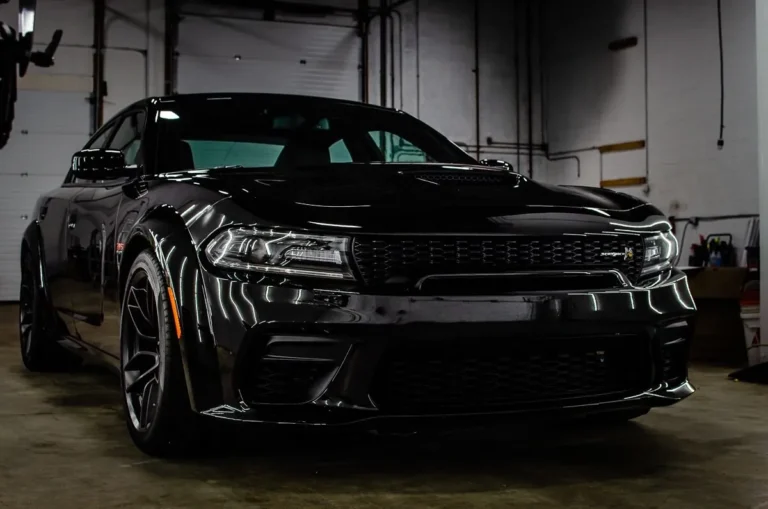
Covers the full bumper, full hood, full fenders and mirrors, so there’s no visible film line partway up the hood. This is the most popular choice for commuters on I-93, Route 101 and the Everett Turnpike, where highway gravel is constant all winter. We break it down in our full front PPF explainer.
Track package (starting at $2,600)
Adds coverage on top of full front, such as rocker panels and other high-impact areas. Rockers and the lower doors take a lot of sand and salt spray in NH, so this is worth a look for winter drivers.
Full vehicle (starting at $6,000)
Every painted panel covered. It’s the right call for new, high-value or collector cars, or for owners who simply want the whole car protected.
Why install PPF in the fall, not the spring
Timing matters for two simple reasons.
- Film protects new paint, not chipped paint. PPF goes over the paint you have. If you wait until after winter, you may be covering chips instead of preventing them, or paying for touch-up or paint correction first.
- Installation needs good conditions. We install indoors in our Hooksett shop, but bringing the car in clean, before the roads are coated in salt, makes the prep easier.
If you just bought a new car this fall, that’s the best time of all. The paint is as good as it will ever be.
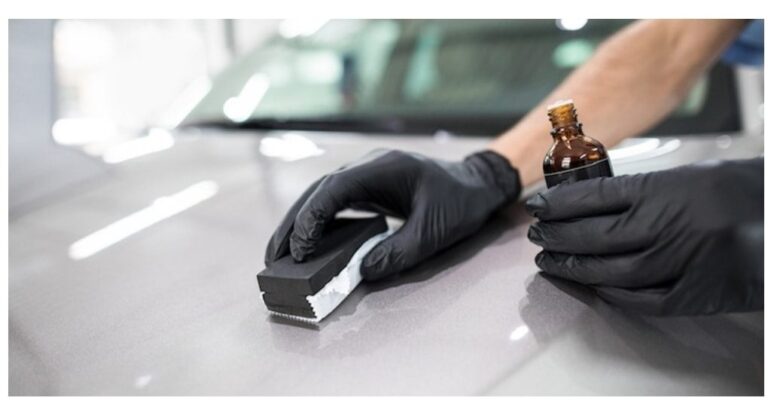
Pair PPF with ceramic coating and windshield film
Many winter customers combine services:
- PPF + ceramic coating. Film on the front end for impacts, and a Ceramic Pro coating on the rest of the car (and on top of the film) so salt and grime rinse off more easily. We compare the two in PPF vs ceramic coating for daily drivers.
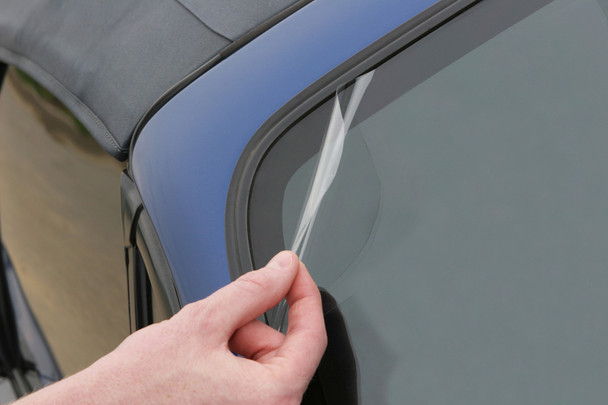
- Windshield protection film. Sanded roads chip glass too. Windshield protection film adds a clear layer on the glass to help with rock chips.
Caring for PPF in winter
- Rinse salt off regularly, especially lower panels and wheel wells
- Use a pH-neutral soap and a clean mitt rather than brush washes
- Avoid pointing a pressure washer directly at film edges up close
- Ask us about care if you’re unsure; our PPF maintenance guide has more detail
FAQ
Can PPF be installed in cold weather?
Yes. We install indoors at our Hooksett shop, so the weather outside doesn’t affect the install. We’ll tell you if there’s anything to know about the first days after you pick the car up.
Will PPF stop every rock chip?
No film stops everything, but PPF absorbs the small, constant impacts from sand and gravel that cause most winter chips on covered panels.
Is partial front enough?
For mostly local driving, it can be. If you’re on the highway daily, full front avoids the film line on the hood and covers more of the area that gets hit.
Does PPF help with road salt?
On the panels it covers, the film keeps salt off your paint. Regular rinsing is still important, especially underneath and in the wheel wells.
Get a PPF quote before the roads turn white
IMS Detailing has been protecting cars in southern New Hampshire since 2014. We’re at 78 Londonderry Turnpike, Unit G3, in Hooksett. Call (603) 518-8070 or request a PPF quote and we’ll recommend coverage for how and where you drive.