Every New Hampshire driver knows the sound: that sharp crack of a rock hitting your windshield on the highway. One minute it’s a tiny chip, the next it’s a spidering crack that means a full replacement. So what’s the smarter move — repairing chips as they happen, or preventing them in the first place with windshield protection film? Here’s how they compare.
The Problem: Windshield Damage Is Expensive and Constant
Sand, salt, and gravel kicked up on our roads — especially in winter — make windshield chips almost inevitable. A chip that seems harmless can spread with a bump or a temperature swing, and once it’s in your line of sight or too large, the entire windshield needs replacing. On modern vehicles with cameras and sensors behind the glass, that replacement often requires recalibration, driving the cost even higher.
Option 1: Rock Chip Repair
Chip repair injects resin into a fresh chip to stop it from spreading and restore some clarity. It’s a reactive fix — useful and affordable when caught early, but with limits:
- It only works on small, fresh chips, not cracks that have already spread.
- It reduces but doesn’t always fully remove the blemish.
- It does nothing to prevent the next chip.
In other words, repair is damage control after the fact.
Option 2: Windshield Protection Film
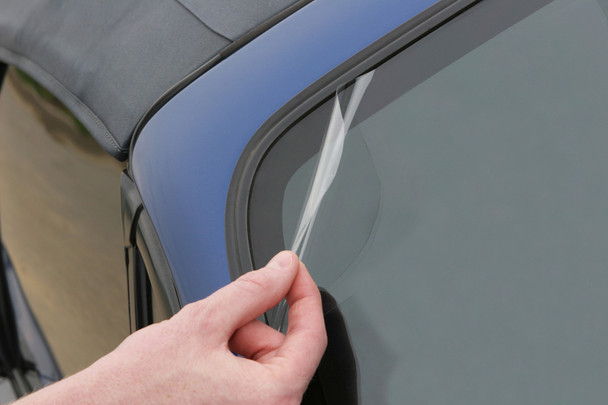
Here is how Ceramic Pro TPU film stops chips before they crack your glass.
Windshield protection film takes the opposite approach: it prevents damage before it happens. This clear, optically-transparent film is applied over your windshield and absorbs the impact of rocks and debris that would otherwise chip or crack the glass. Ceramic Pro’s TPU windshield film is designed to take the hits so your glass doesn’t — while also adding UV protection and hydrophobic, easy-clean properties.
Repair vs. Prevention: The Real Comparison
Chip repair addresses one chip at a time and can’t prevent the next one. A single windshield replacement — especially with sensor recalibration — can cost far more than protecting the glass in the first place. For drivers who log highway miles or face NH’s rough winter roads, protection film is the proactive choice that pays off over time by helping you avoid repairs and replacements altogether.
Which Should You Choose?
If you already have a fresh chip, get it repaired quickly before it spreads. But if you want to stop the cycle of chips and cracks, windshield protection film is the smarter long-term investment — particularly on a new vehicle or one with advanced driver-assistance sensors behind the glass.
Protect Your Windshield at IMS Detailing
IMS Detailing in Hooksett, NH installs windshield protection film for drivers across Manchester, Bedford, Concord, and Derry. Stop rock chips before they crack your glass — call (603) 518-8070 or request a quote today.
Frequently Asked Questions
Is windshield protection film worth it?
For drivers who face highway gravel and NH’s salted winter roads, yes. It helps prevent the chips and cracks that lead to costly windshield replacements, and adds UV and easy-clean benefits.
Can you still repair a chip if I have windshield film?
The film is designed to prevent chips from reaching the glass in the first place. If damage does occur, we’ll advise the best course of action.
Does windshield protection film affect visibility?
No. Quality windshield film is optically clear and designed to maintain full visibility while protecting the glass.
How is this different from a ceramic coating on glass?
A glass coating improves water repellency and cleaning but doesn’t stop rock chips. Windshield protection film adds a physical impact-absorbing layer that helps prevent chips and cracks.