
Ceramic Pro Windshield Protection Film (TPU) in New Hampshire

Stop Cracked Windshields Before They Happen
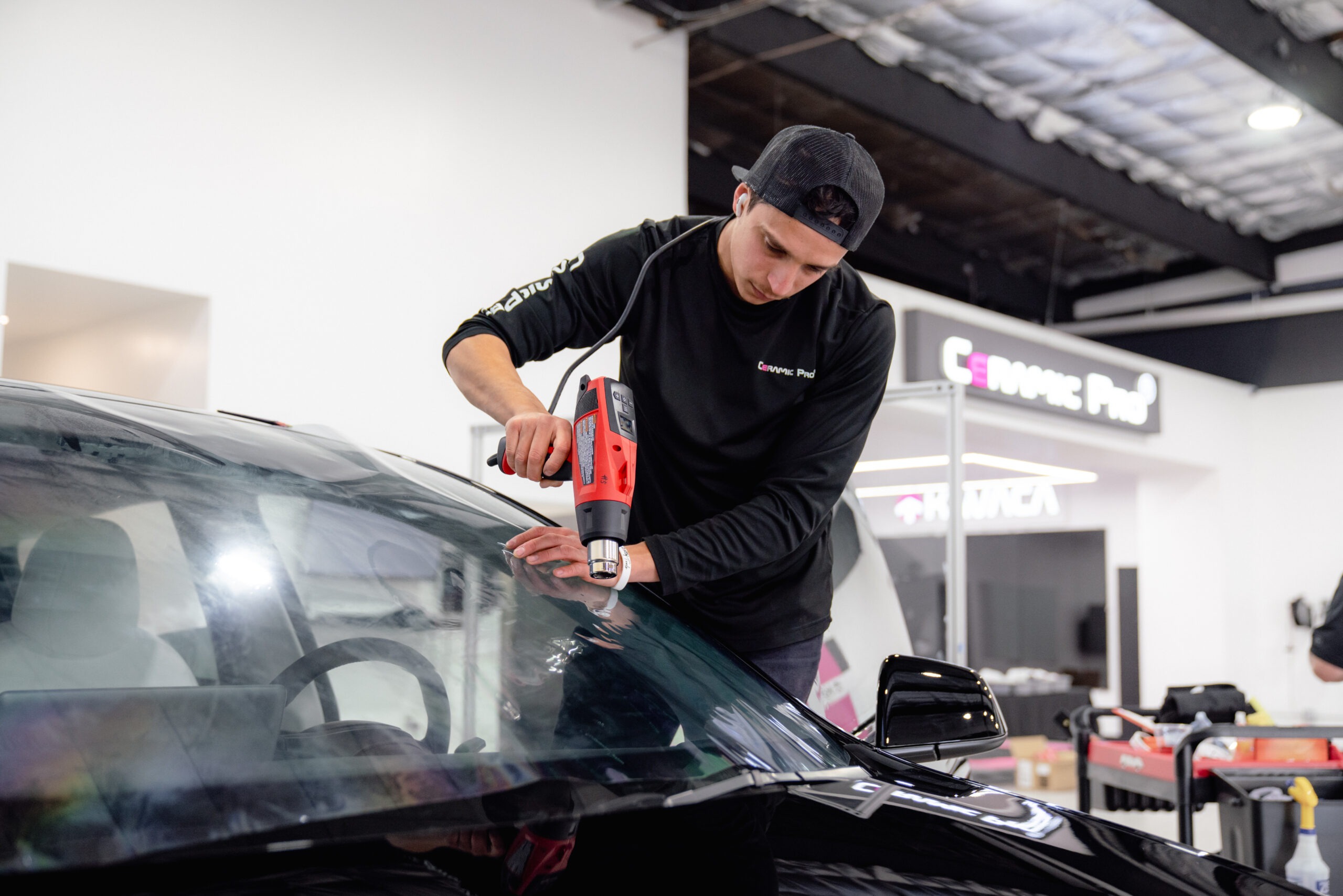
Protect your windshield with Ceramic Pro TPU Windshield Protection Film — the invisible armor designed specifically for glass. Unlike Paint Protection Film (PPF) that safeguards your vehicle’s painted surfaces from rock chips and scratches, our WPF delivers targeted protection to your windshield, absorbing impacts from road debris, salt, and gravel common on New Hampshire highways.
This optically clear, self-healing film prevents chips from turning into costly cracks, maintains perfect visibility for ADAS systems, and blocks 99.9% of harmful UV rays — all while costing far less than a single windshield replacement.
Ideal for daily commuters, Tesla owners, and anyone driving I-93 through Salem, Manchester, or Hooksett
WHAT IS WINDSHIELD PROTECTION FILM?
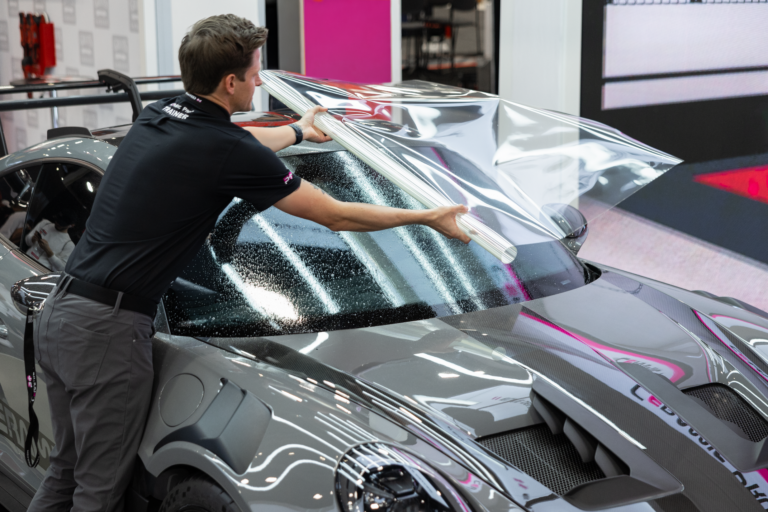
Windshield Protection Film (WPF) is a high-performance thermoplastic polyurethane (TPU) layer applied directly to your windshield.
Unlike traditional glass treatments, this film:
- Absorbs impact from rocks and debris
- Prevents chips from spreading into cracks
- Enhances driving clarity in harsh conditions
Ceramic Pro’s film is specifically engineered for:
- Optical clarity
- Self-healing properties
- Long-term durability
PPF vs WPF: Which Protection Does Your Vehicle Need?
| Aspect | Paint Protection Film (PPF) | Windshield Protection Film (WPF) |
|---|---|---|
| Primary Surface | Painted body panels (hood, fenders, bumpers, mirrors, etc.) | Windshield glass only (exterior surface) |
| Main Protection | Physical impacts: rock chips, scratches, swirl marks, road debris, minor abrasions | Rock chips, pitting, bull’s eyes, cracking from stones/gravel/salt/sand |
| Material | Thick, flexible TPU film with self-healing top coat | Multi-layer, optically clear TPU film designed for glass |
| Visibility/Appearance | Nearly invisible on paint; maintains original color | Completely invisible and crystal-clear; no distortion, glare, or haze on glass |
| Self-Healing | Yes (minor scratches disappear with heat/sunlight) | Yes (surface scratches heal with heat) |
| Additional Benefits | UV resistance, chemical resistance; can be topped with ceramic coating for hydrophobicity | 99.9% UV block; reinforces glass in impacts; maintains ADAS camera/safety system clarity |
| Durability | 5–10+ years with proper care | Typically 12–24+ months (depending on driving conditions and wiper maintenance) |
| Installation | Full or partial vehicle; complex patterns and stretching | Precision-cut to windshield shape; applied in controlled shop environment |
| Cost | $2,000–$7,000+ for full/partial vehicle | $399–$699 (sedans/SUVs) — far cheaper than one windshield replacement |
| Best For | Protecting paint on daily drivers, luxury/exotic cars, or highway commuters | Preventing expensive glass replacements on modern vehicles (especially Teslas, ADAS-equipped cars) |
| When to Choose | You want to keep the paint looking new long-term | You want to stop chips from turning into cracks on the windshield |
Key Takeaway: PPF acts like armor for your paint — it takes the hit so the underlying paint doesn’t. WPF acts like invisible armor for your glass — it absorbs impacts before they damage the windshield, saving you from $800–$2,000+ replacements while preserving perfect visibility and safety features.
Pro Tip for NH Drivers: Combine both! Many customers get partial front-end PPF (hood, fenders, mirrors) + WPF on the windshield, then top everything with Ceramic Pro coating for maximum protection against highway debris, winter salt/sand, and construction zones on I-93 and surrounding roads.
WHY NH DRIVERS NEED THIS
New Hampshire roads are brutal on windshields.
Between:
- Highway debris on I-93
- Sand and salt during winter
- Construction zones year-round
Your windshield is constantly under attack.
Windshield Protection Film is the only proactive solution — not reactive like replacement.
🛡️ Rock Chip Resistance
Absorbs impact energy before it reaches your glass
💸 Save on Replacement Costs
Modern windshields (ADAS-equipped) can cost $800–$2,000+
👁️ Crystal Clear Visibility
Zero distortion, designed for daily driving
🔄 Self-Healing Technology
Minor scratches disappear with heat
❄️ Winter Protection
Reduces pitting from sand and salt
WHO IT’S FOR
This service is perfect for:
- Tesla owners (huge windshield cost)
- Luxury & exotic vehicles
- Daily highway commuters
- New vehicle owners
- Anyone tired of replacing windshields
Combine with high-quality window tint for complete glass protection
Windshield Film vs Replacement
| Feature | Film | Replacement |
|---|---|---|
| Prevents Damage | ✅ | ❌ |
| Cost Over Time | Low | High |
| Maintains OEM Glass | ✅ | ❌ |
| Downtime | Minimal | Hours/Days |
Our Installation Process:
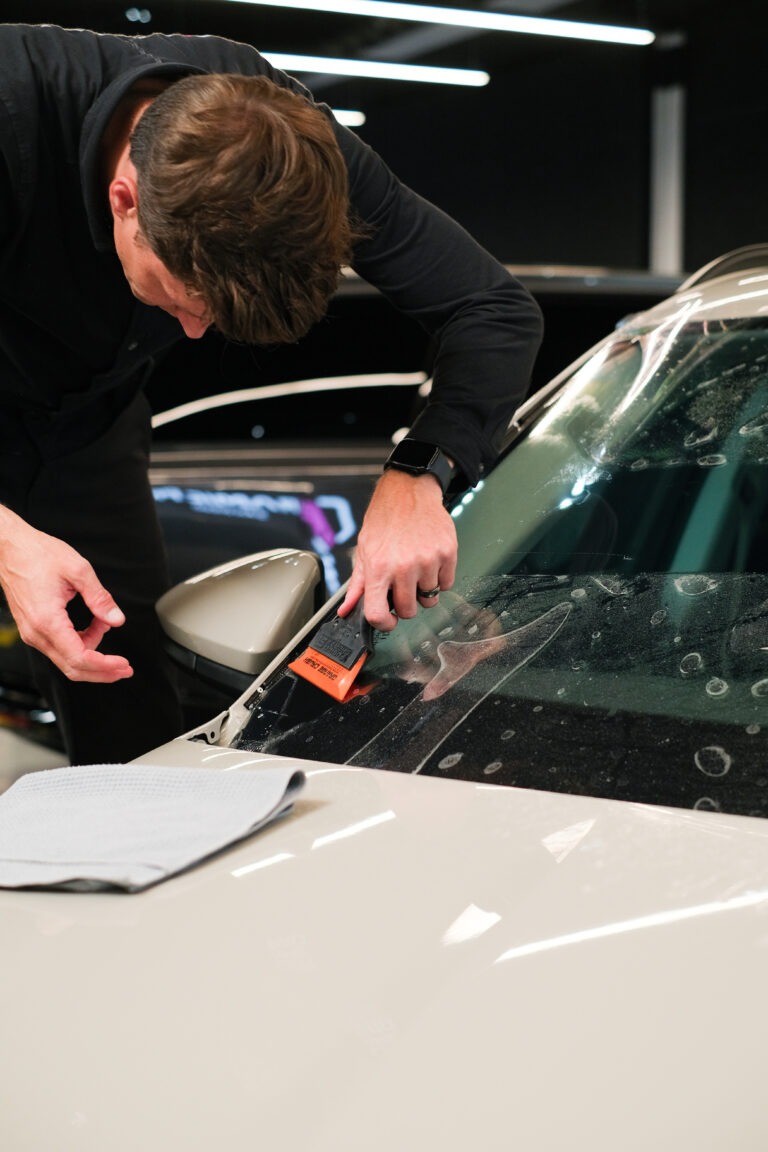
- Deep glass decontamination
- Precision film cutting
- Slip-solution application
- Bubble-free installation
- Final inspection + cure
Installed in a controlled environment for flawless results.
Windshield Protection Film Pricing:
- Sedans: Starting at $399–$499
- SUVs/Trucks: $499–$699
- Exotic/Large Glass: Custom Quote
👉 Cheaper than one windshield replacement.
Frequently Asked Questions
Does windshield protection film affect visibility?
No — Ceramic Pro film is optically clear and designed for daily driving.
How long does it last?
Typically 12–24 months depending on driving conditions.
Can it prevent all cracks?
It significantly reduces impact damage, but extreme hits can still cause damage.
Is it removable?
Yes — it can be safely removed and replaced.
Does windshield protection film affect ADAS cameras or visibility?
No — high-quality windshield protection film like Ceramic Pro TPU is designed with optical clarity in mind and does not interfere with visibility or Advanced Driver Assistance Systems (ADAS).
The film is:
- Virtually invisible once installed
- Distortion-free for safe driving
- Compatible with most factory sensors and cameras
When installed properly by professionals, ADAS systems (lane assist, collision warning, etc.) continue to function exactly as intended.
How long does Ceramic Pro windshield film last in New Hampshire winters?
In New Hampshire conditions, Ceramic Pro windshield protection film typically lasts 12–24 months, depending on driving habits and mileage.
Factors that affect lifespan:
- Highway driving (more rock impact)
- Winter sand and salt exposure
- Frequency of wiper use
The film is designed to take the abuse instead of your glass, so even if it wears over time, it’s doing its job by protecting your windshield from costly damage.
.
Can it be removed or replaced?
Yes — windshield protection film is fully removable and replaceable.
When it reaches the end of its lifespan or takes heavy impact:
- It can be safely peeled off
- Leaves no damage to the glass
- A new layer can be installed immediately
This makes it a renewable layer of protection, similar to paint protection film for your vehicle.
Is it worth it for Tesla or luxury vehicles?
Absolutely — this is where windshield protection film delivers the highest value.
Vehicles like Tesla and other luxury brands often have:
- Large, specialized windshields
- Integrated sensors and cameras
- Replacement costs ranging from $1,000–$2,500+
Protecting the original glass helps you:
- Avoid expensive replacements
- Maintain factory-installed components
- Reduce downtime and recalibration costs
For high-end vehicles, it’s a preventative investment, not an expense.
What maintenance is required after installation?
Maintenance is simple and similar to normal glass care.
Recommended:
- Wait 24–48 hours before heavy cleaning
- Use standard automotive glass cleaners
- Replace wiper blades regularly to prevent wear
Avoid:
- Abrasive cleaners or pads
- Damaged or worn-out wipers
Routine care helps maximize clarity and lifespan.
Difference between windshield film and ceramic glass coating?
These are completely different types of protection.
Windshield Protection Film (TPU):
- Physical barrier
- Absorbs rock impacts
- Prevents chips and cracks
Ceramic Glass Coating:
- Liquid-applied coating
- Improves water beading and visibility
- Does NOT protect against rock chips
👉 The best setup is using both:
- Film for impact protection
- Coating for hydrophobic performance
What areas does IMS Detailing serve?
IMS Detailing is based in Hooksett, NH and proudly serves Manchester, Bedford, Concord, and Derry, NH, plus surrounding communities. Contact us to confirm service to your area.
How much does windshield protection film cost?
Windshield protection film starts at $399-$499 for sedans and $499-$699 for SUVs/trucks. Exotic or large glass vehicles receive a custom quote. It’s far cheaper than a single windshield replacement.
How long does windshield protection film installation take?
Installation typically takes a few hours in our controlled shop environment, including deep glass decontamination, precision film cutting, bubble-free application, and a final cure and inspection.
How long does windshield protection film last?
Ceramic Pro windshield protection film typically lasts 12-24+ months depending on driving conditions and wiper maintenance, even through New Hampshire winters.
Will windshield protection film affect my visibility or ADAS cameras?
No. The film is optically clear with zero distortion or haze, so it maintains perfect visibility for daily driving and keeps ADAS camera systems functioning normally.
How do I book a windshield protection film appointment?
You can book your windshield protection film appointment by calling us or filling out the contact form on our website. We’ll help you confirm pricing and scheduling.