For decades, traditional car wax has been the go-to method for protecting automotive paint. But in recent years, ceramic coatings have changed the detailing industry, offering longer-lasting protection and superior performance.
So the question many vehicle owners ask is simple:
Does ceramic coating actually protect a car better than traditional wax?
The short answer is yes — ceramic coating provides significantly better protection than wax in most situations. But understanding why requires looking at how each product works.
What Is Traditional Car Wax?
Traditional wax is typically made from natural waxes like carnauba or synthetic polymers designed to enhance shine and add a thin protective layer over your vehicle’s paint.
When applied properly, wax:
• Adds gloss and depth to paint
• Creates temporary water beading
• Provides mild protection from contaminants
• Enhances the appearance of the finish
However, wax sits on top of the paint surface and slowly breaks down due to environmental exposure.
How Long Wax Lasts
Most traditional waxes last between:
• 4–8 weeks for natural carnauba wax
• 2–4 months for synthetic wax or sealants
Factors like weather, washing habits, and sun exposure can shorten this lifespan significantly.
What Is Ceramic Coating?
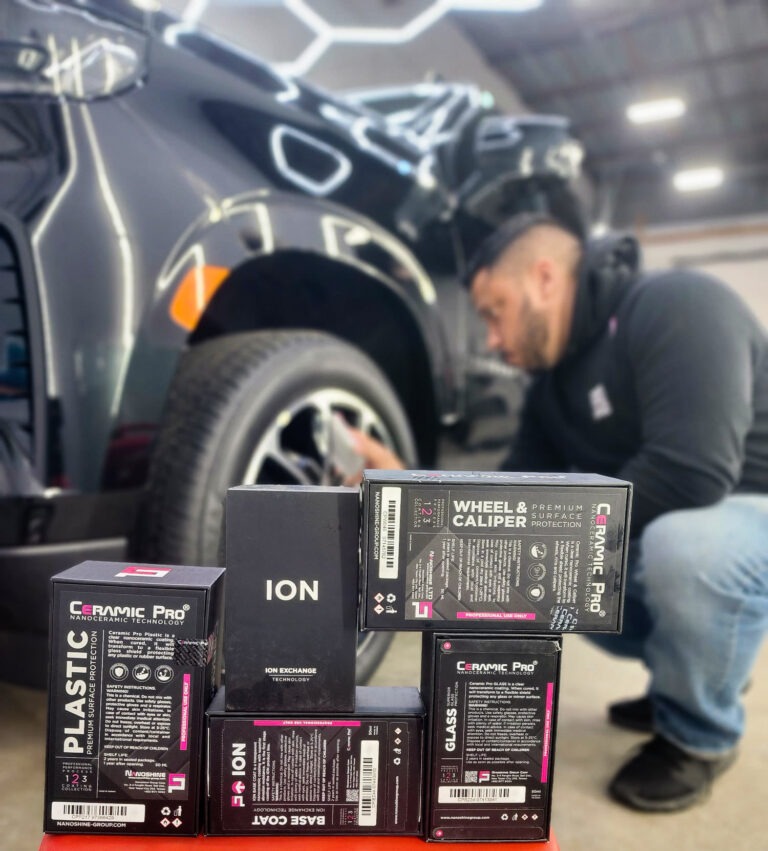
Ceramic coating is a liquid polymer coating that chemically bonds with the vehicle’s clear coat, forming a semi-permanent protective layer.
Unlike wax, which simply sits on the paint, ceramic coatings create a durable hydrophobic barrier that resists contamination and environmental damage.
Professional ceramic coatings often contain SiO₂ (silicon dioxide), which forms a hardened protective shell over the paint.
Key Differences: Ceramic Coating vs Wax
Durability
Wax protection fades quickly and requires frequent reapplication.
Ceramic coatings are designed to last years instead of weeks.
| Protection Type | Average Lifespan |
|---|---|
| Traditional Wax | 1–3 months |
| Synthetic Sealant | 4–6 months |
| Ceramic Coating | 2–7 years |
Protection from Environmental Damage
Ceramic coatings provide stronger resistance against:
• UV damage and oxidation
• Road salt
• Acid rain
• Bird droppings
• Tree sap
• Chemical contaminants
Wax provides only minimal resistance and can be stripped away by strong detergents or environmental exposure.
Hydrophobic Properties
One of the most noticeable benefits of ceramic coating is extreme water beading.
Water, dirt, and grime struggle to stick to the surface, meaning:
• Vehicles stay cleaner longer
• Washing becomes easier
• Less risk of wash-induced scratches
Wax does create water beading, but it weakens quickly as the wax degrades.
Gloss and Appearance
Both wax and ceramic coatings improve shine, but they do so differently.
Wax tends to produce a warm glow, especially on darker colors.
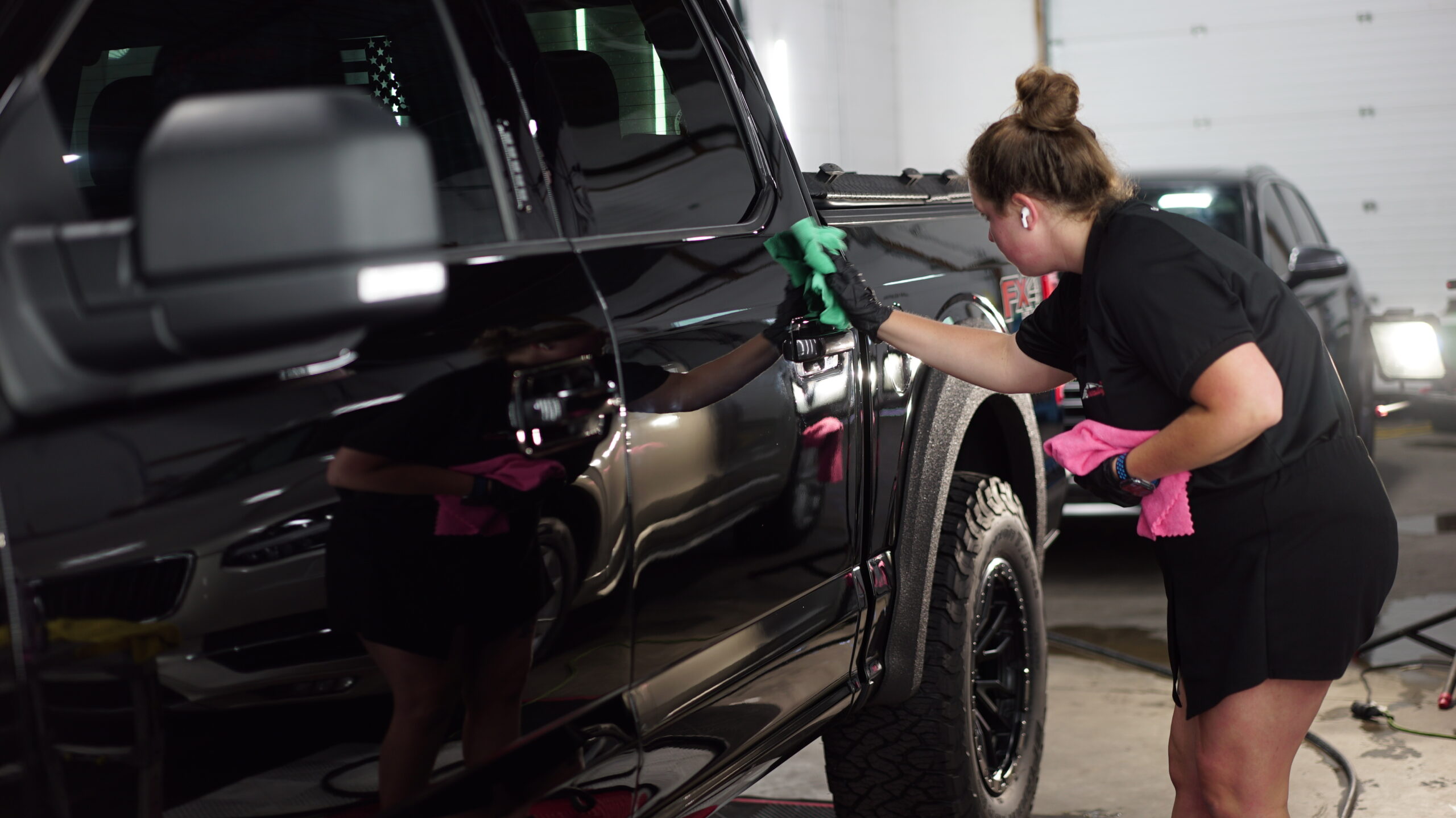
Ceramic coatings provide a deep, glass-like gloss that enhances clarity and reflectivity of the paint.
Maintenance
Wax requires frequent reapplication to maintain protection.
Ceramic-coated vehicles only require proper washing techniques and occasional maintenance toppers to maintain performance.
This makes ceramic coating far more convenient for long-term paint protection.
Is Ceramic Coating Worth It?
For many vehicle owners, ceramic coating is absolutely worth the investment.
It provides:
• Long-term paint protection
• Easier vehicle maintenance
• Enhanced gloss and appearance
• Strong resistance to environmental contaminants
While the initial cost is higher than wax, the long lifespan and performance benefits often make it more cost-effective over time.
When Wax Might Still Make Sense
Despite its limitations, wax can still be useful in certain situations.
Wax may be suitable if:
• You enjoy detailing your car frequently
• You want a temporary shine boost
• You’re preparing a vehicle for sale
• You prefer a low upfront cost
However, for serious paint protection, wax simply cannot match the durability of modern ceramic coatings.
Ceramic Coating Protection for New Hampshire Drivers
New Hampshire vehicles face unique environmental challenges including road salt, sand, and harsh winters. Ceramic coating provides a strong protective barrier that helps prevent paint damage from these conditions while making regular washing easier.
Professional ceramic coating installation ensures your vehicle stays protected year-round while maintaining a deep, glossy finish.
Drivers throughout:
-
Manchester
-
Hooksett
-
Bedford
-
Londonderry
-
Concord
choose ceramic coatings to keep their vehicles looking new despite New England weather.
The Verdict
Ceramic coating protects a car significantly better than traditional wax.
While wax offers short-term shine and basic protection, ceramic coatings deliver long-term durability, superior contamination resistance, and easier vehicle maintenance.
For drivers who want their vehicles to stay glossier, cleaner, and better protected, ceramic coating is the clear winner.
For maximum impact protection, many drivers combine ceramic coating with paint protection film.
Professional Ceramic Coating Installation Matters
For ceramic coatings to perform properly, the paint must first be professionally corrected and prepared. Proper installation ensures maximum bonding and durability.
At IMS Detailing, we specialize in professional ceramic coating applications designed to protect and enhance your vehicle for years.
If you’re considering ceramic coating for your vehicle, contact our team to learn how professional protection can keep your car looking its best.
FAQ Section
Is ceramic coating better than wax?
Yes. Ceramic coatings last significantly longer and provide stronger protection against environmental damage compared to traditional wax.
Can you wax over ceramic coating?
It is generally unnecessary because ceramic coatings already provide superior gloss and protection.
Does ceramic coating prevent scratches?
Ceramic coatings provide minor scratch resistance but do not stop rock chips or deep scratches. For impact protection, paint protection film is recommended.